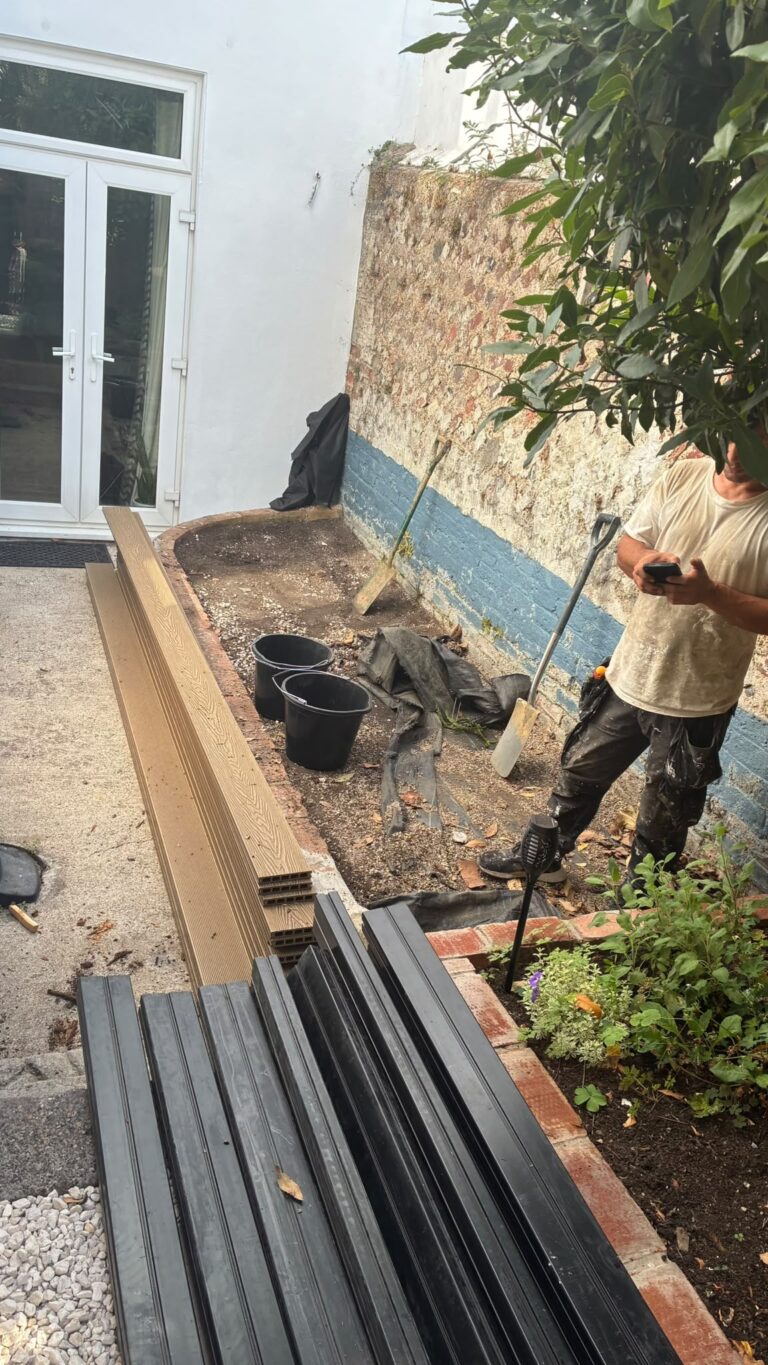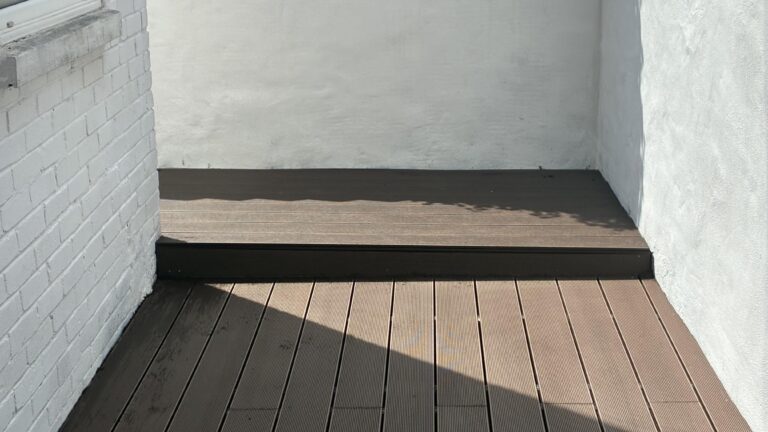
A well-designed deck can do more than extend your living space—it can become the focal point of your garden, a place for entertaining, relaxing, and enjoying the outdoors. But with so many standard decking designs out there, how do you make yours stand out rather than blend into the background?
The answer lies in thoughtful design choices: combining materials, playing with layout, adding structure, and using lighting and planting to create atmosphere. Here are some practical and creative ideas to elevate your decking from ordinary to exceptional.
1. Break Away from the Basic Rectangle
Most decks default to a simple rectangular shape, but interesting layouts instantly add character. Consider:
- Multi-level decking to define different zones (dining, lounging, cooking)
- Curved edges to soften the look and blend into natural surroundings
- Angular or geometric designs for a modern architectural feel
Even a small change in shape can make the space feel intentionally designed rather than purely functional.
2. Mix Materials for Texture and Contrast
One of the easiest ways to make decking stand out is to combine materials rather than relying on a single finish.
Popular combinations include:
- Timber decking with stone or porcelain paving borders
- Composite decking paired with gravel or planting strips
- Dark decking boards contrasted with lighter edging or frame details
The contrast adds depth and helps visually zone different parts of the garden.
3. Create Built-In Features
Built-in elements make a deck feel bespoke and high-end. Instead of treating furniture as an afterthought, integrate it into the structure:
- Built-in benches along the perimeter
- Planter boxes incorporated into railing or corners
- Storage seating for cushions and outdoor essentials
- Sunken seating areas for a more immersive lounge space
These features reduce clutter and make the space feel cohesive.
4. Use Lighting to Transform the Space
Lighting can completely change how a deck feels at night. Rather than relying on a single light source, layer your lighting:
- Step or tread lights for safety and subtle glow
- Under-rail LED strips for a floating effect
- Uplighting around plants or architectural features
- String lights or lanterns for a softer, social atmosphere
Well-placed lighting extends usability into the evening and adds visual drama.
5. Add Vertical Interest
Decking often focuses on the horizontal plane, but vertical elements bring depth and enclosure:
- Trellises with climbing plants
- Slatted privacy screens
- Vertical gardens or living walls
- Pergolas or overhead structures for shade and definition
These features help the deck feel like an outdoor room rather than an exposed platform.
6. Play with Colour and Finish
Natural wood tones are classic, but colour choices can dramatically change the mood of a space.
- Dark greys or charcoals create a modern, sophisticated look
- Warm honey tones feel inviting and traditional
- Whitewashed finishes suit coastal or minimalist styles
You can also stain or oil timber to refresh older decking and align it with updated garden design.
7. Zone Your Space for Functionality
Instead of treating your deck as one large surface, divide it into purposeful areas:
- Dining zone near the kitchen or house entrance
- Lounge zone with sofas or outdoor seating
- Quiet corner for reading or relaxation
- Cooking or BBQ station
Use rugs, furniture arrangement, or changes in decking direction to subtly define each area.
8. Incorporate Water or Fire Features
If you want a real focal point, sensory elements make a big impact:
- Fire pits or built-in fireplaces create warmth and gathering points
- Water features introduce sound and movement, enhancing relaxation
- Even small tabletop features can elevate atmosphere
These elements help anchor the design and draw people into the space.
9. Think About Board Direction and Pattern
The direction and layout of decking boards influence how the space is perceived:
- Horizontal boards make a space feel wider
- Vertical boards draw the eye outward and elongate the garden
- Herringbone or chevron patterns add a premium, crafted look
This is a subtle but powerful design tool often overlooked in basic installations.
10. Blend Decking with the Garden
The most successful decking designs don’t feel separate from the garden—they feel integrated into it.
Soften edges with:
- Raised beds spilling over with planting
- Low shrubs or ornamental grasses
- Stepping stones leading into lawn or gravel areas
The goal is to avoid a “floating platform” effect and instead create a seamless transition between hardscape and nature.
Final Thoughts
Making your decking stand out isn’t about adding one dramatic feature—it’s about combining multiple thoughtful design choices. Shape, materials, lighting, planting, and layout all work together to create a space that feels intentional and personal.
Whether you prefer a sleek modern terrace or a natural garden retreat, the best decking designs are those that reflect how you actually want to use the space—while still offering something visually memorable every time you step outside.