Composite V Timber Decking

from Sussex Decking

Composite vs Timber Decking: Which Is Best for Sussex Homes?

Choosing between composite and timber decking is one of the biggest decisions homeowners face when upgrading their garden. Both options have advantages, but the right choice depends on your budget, maintenance preference, and style.

What Is Timber Decking?

Timber decking is made from natural wood and provides a traditional, warm appearance. It is popular for gardens across Sussex due to its natural look and affordability.

Pros of Timber Decking

  • Lower initial cost
  • Natural appearance
  • Easy to repair

Cons of Timber Decking

  • Requires regular maintenance
  • Can rot over time if untreated
  • May fade or warp

What Is Composite Decking?

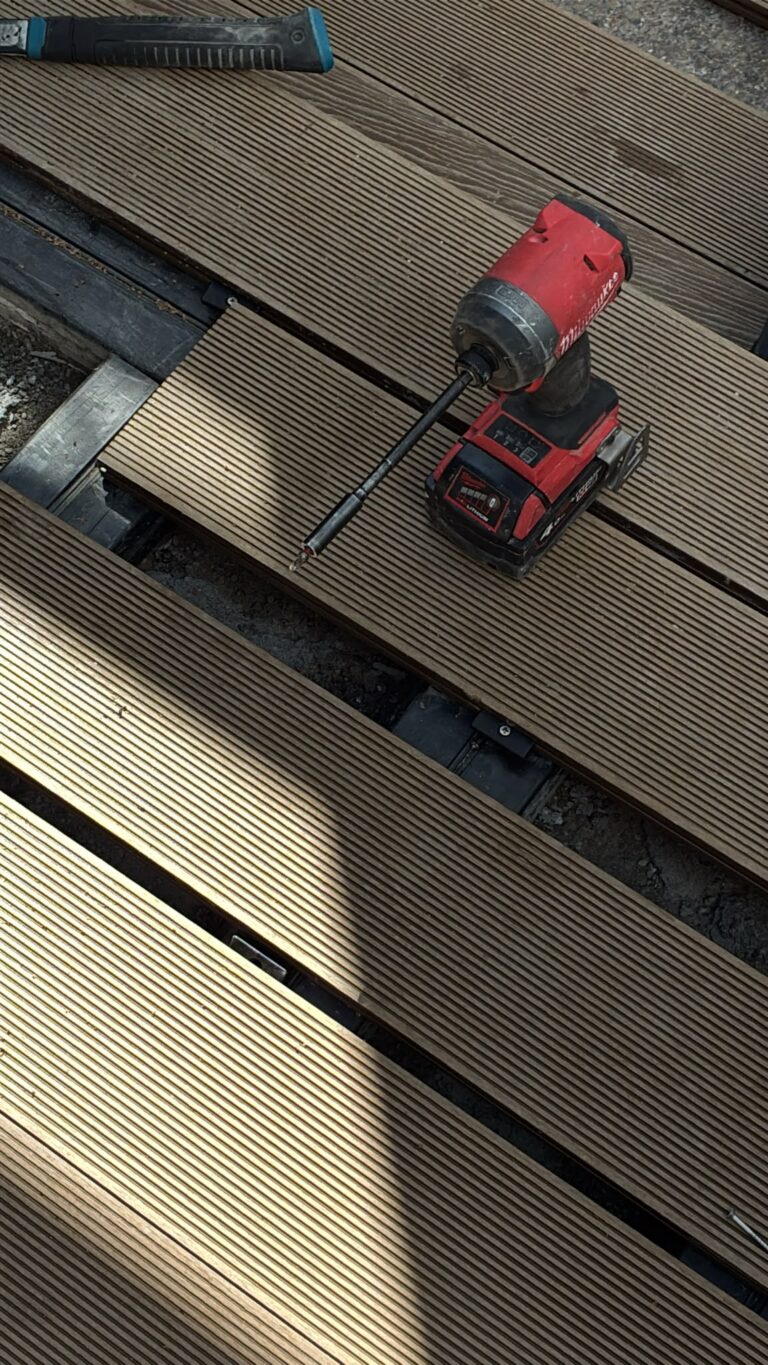
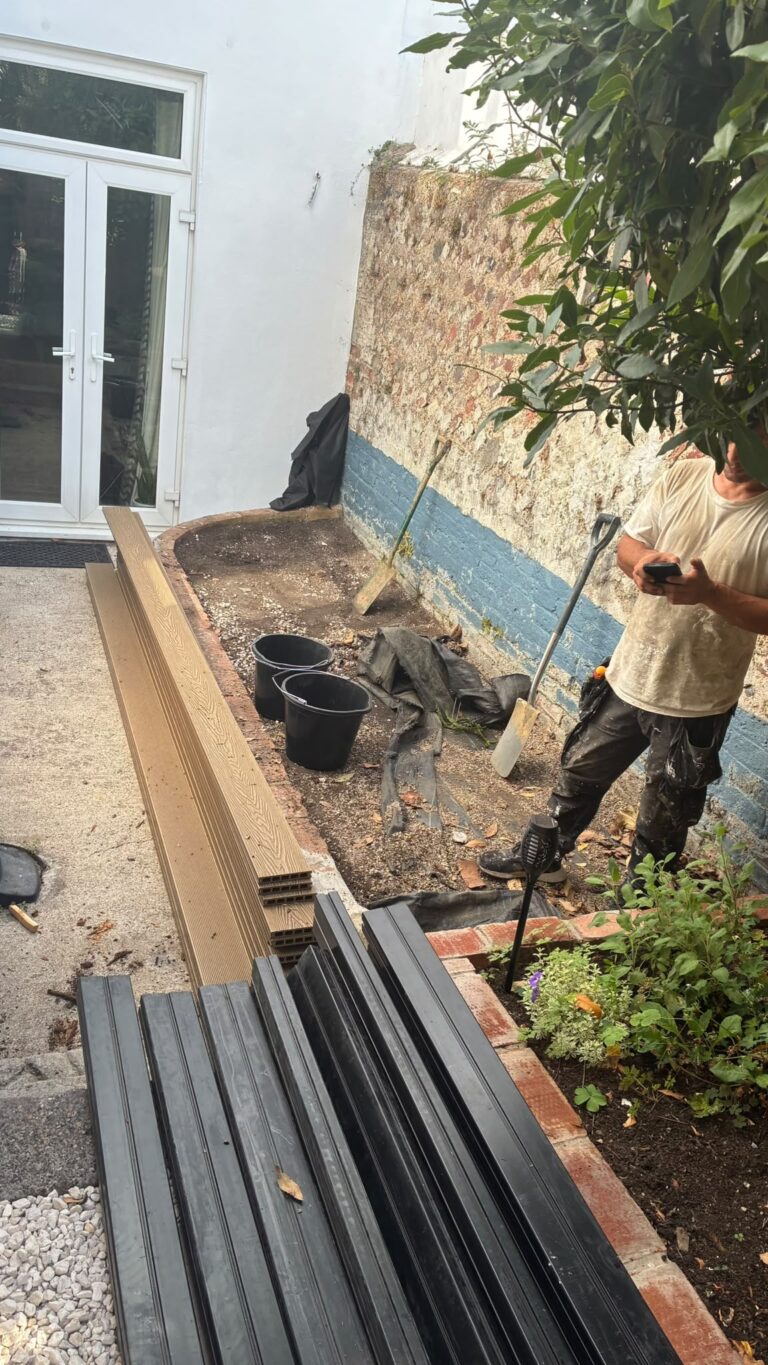
Composite decking is made from a mix of wood fibres and plastic, designed to be low maintenance and long-lasting.

Pros of Composite Decking

  • Very low maintenance
  • Long lifespan
  • Resistant to rot and fading
  • Slip-resistant options available

Cons of Composite Decking

  • Higher upfront cost
  • Less natural feel than wood

Which Is Best for Sussex Weather?

Due to the wet and changeable UK climate, composite decking often performs better long-term. However, timber decking remains a popular choice for traditional garden designs.

Expert Recommendation

At Sussex Decking, we install both timber and composite decking across Sussex, including Brighton, Hastings, Crawley, and Worthing. The best choice depends on your garden, budget, and how much maintenance you want to carry out.

Get Expert Advice

Contact Sussex Decking for professional guidance and a free quote tailored to your garden.

Deck Repairs & Upgrades

Replace worn boards, improve safety, and modernise existing decking installations.

Composite Decking

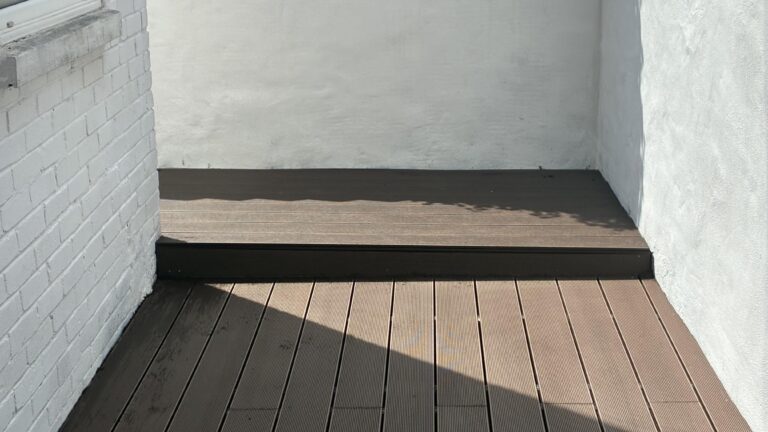
Low-maintenance, long-lasting decking solutions in a range of modern finishes.

Timber Decking

Natural timber decking designed to enhance gardens, patios, and outdoor living areas.

Service
Confirmation

FAQ

Composite decking is often considered a better long-term option because it requires far less maintenance than traditional timber. It won’t rot, splinter, or need regular staining and painting. While timber offers a natural appearance, composite decking provides greater durability, weather resistance, and longevity.
High-quality composite decking can last 25–30 years or more when properly installed and maintained. It is designed to resist fading, moisture, insect damage, and warping, making it ideal for the UK climate.
Most modern composite decking boards are manufactured with anti-slip surfaces that provide excellent grip in wet conditions. While no outdoor surface is completely slip-proof, composite decking is generally safer and less slippery than traditional timber decking.
Composite decking usually has a higher upfront cost than timber decking, but it can save money over time due to lower maintenance costs and a longer lifespan.
Modern composite decking is designed with UV-resistant technology to minimise fading. Some slight colour change may occur during the first few months after installation, but high-quality boards retain their appearance for many years.
Yes, composite decking is perfect for gardens of all sizes. It can be custom-designed to suit compact outdoor spaces, patios, balconies, terraces, and larger landscaped gardens.
Many composite decking products are made from recycled plastics and reclaimed wood fibres, making them an eco-friendly alternative to traditional timber decking.
Composite decking is very easy to maintain. Regular sweeping and occasional washing with warm soapy water is usually enough to keep it looking clean.
Yes, composite decking is strong and durable enough for outdoor furniture, dining sets, and even hot tubs when installed with the correct subframe and structural support.
A professionally installed composite deck can improve the appearance and functionality of your garden, making your home more attractive to buyers.
Timber decking is an outdoor flooring structure made from natural wood, commonly used to create patios, garden seating areas, walkways, and entertainment spaces.
With proper installation and maintenance, timber decking can last between 10 and 25 years depending on the type of wood and exposure to weather conditions.
Pressure-treated softwood, cedar, hardwood, and thermally modified timber are popular choices in the UK.
Yes, regular cleaning, sealing, or oiling is required to extend lifespan.
It can become slippery, especially with algae, but anti-slip treatments help.
Cost depends on size and timber type, with softwood being the most affordable option.
Yes, using a raised subframe structure.
Yes, if not treated and maintained properly.
Yes, when FSC or PEFC certified.
Every 1–3 years depending on exposure.
Yes, but only on low pressure settings.
Timber is cheaper upfront, composite is lower maintenance.
Yes, it improves outdoor living appeal.
Use weed membrane under the structure.
Usually not, unless raised or in restricted areas.
Grey, oak, and dark walnut tones are popular.
Yes, with reinforced structural framing.
Sweep regularly and use decking cleaner.
Yes, natural movement can occur over time.
Spring and summer are ideal, but it can be installed year-round.
Confirm

See our Resources Page

Visit our Resources Hub—your go-to place for practical advice, expert guides, and helpful information about decking repair, maintenance, materials, and installation.

Resources Hub
Scroll to Top