
FAQ
Sussex Decking - Part of Home Actually Ltd
DECKING SERVICES IN SUSSEX & SURREY
LOTS OF QUESTIONS ANSWERED – WE ARE ADDING TO THIS PAGE FREQUENTLY AND THERE WILL BE MANY DUPLICATE QUESTIONS ANSWERED.
Today we were asked . . .
Here you will find a selection of questions that we get asked from customers and potential customers
Solid Vs Hollow Composite Decking
Both solid and hollow composite decking are excellent choices when installed correctly. Solid boards offer maximum strength and a premium finish, while hollow boards provide affordability and easier installation.
What support is required for composite decking?
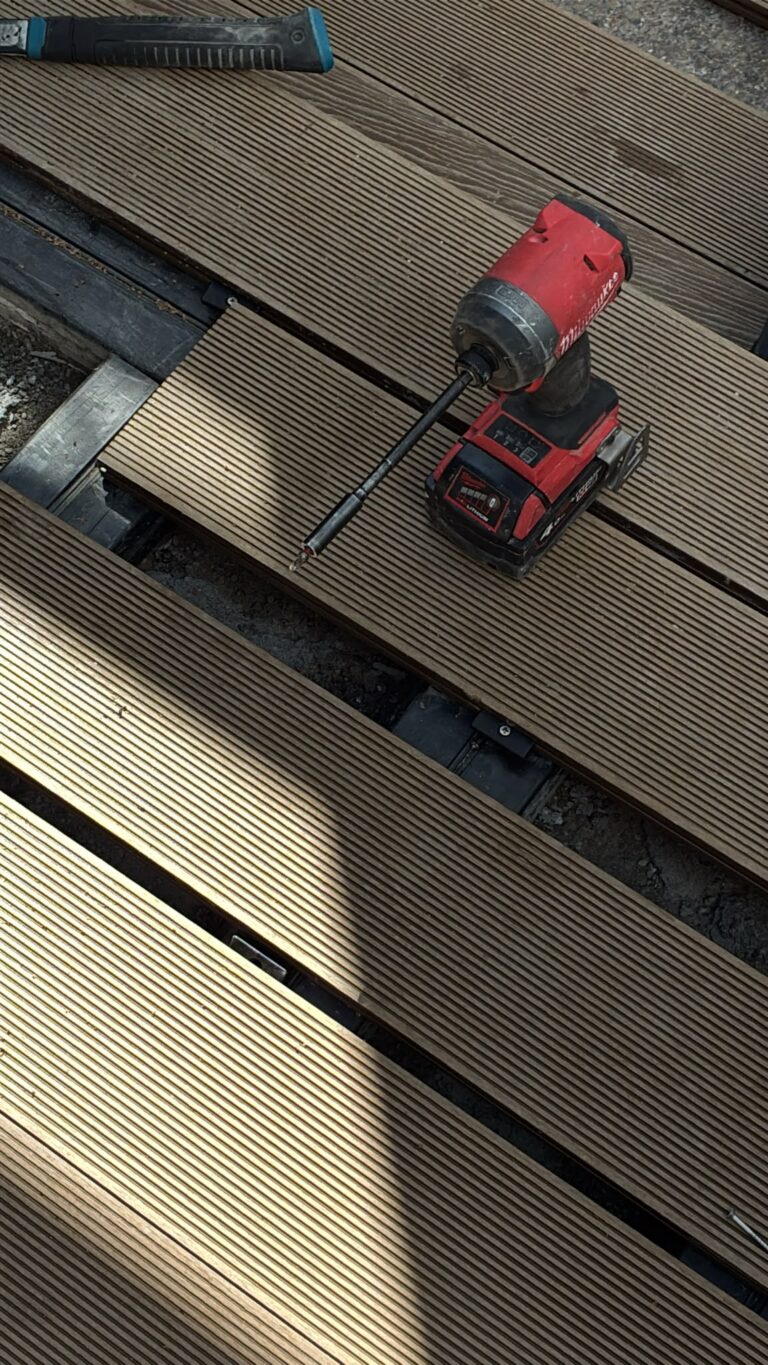
Composite decking typically requires a solid, well-ventilated subframe for proper support and long-term performance. The key requirements are:
The boards must be fixed to a strong, level substructure—usually timber or aluminium joists. These joists need to be spaced correctly (often around 300–400 mm apart, depending on the board manufacturer) to prevent flexing or sagging.
A rigid frame is essential because composite decking is not designed to be self-supporting over long spans. Any gaps or uneven spacing underneath can lead to movement or bounce in the boards over time.
Good ventilation and drainage beneath the deck are also important. The structure should be raised slightly off the ground and allow airflow to prevent moisture build-up, which helps protect the subframe and extend the life of the deck.
Proper fixings are required as well—usually concealed clips or manufacturer-approved screws—to allow for thermal expansion and contraction without damaging the boards.
In short, composite decking needs a stable, evenly spaced, well-ventilated support frame designed specifically to handle both the weight and the movement characteristics of the material.
Frequently Asked Questions About Decking
The best decking material depends on your budget, style, and maintenance preferences. Timber decking offers a natural appearance, while composite decking is low-maintenance, weather-resistant, and highly durable for UK weather conditions.
Timber decking typically lasts between 10–20 years with proper care and maintenance. Composite decking can last 25–30 years or more.
Composite decking requires less maintenance and offers excellent durability, while timber decking provides a traditional natural appearance and lower upfront cost.
Professionally installed decking can improve outdoor living space and increase the appeal and value of your property.
Decking costs vary depending on materials, size, design complexity, and site access. Composite decking generally costs more initially but requires less maintenance long term.
Most decking projects do not require planning permission, but raised decking or installations near boundaries may need approval.
Timber decking should typically be cleaned and treated every 1–3 years to protect it from moisture and UV damage.
Modern composite decking includes anti-slip finishes designed to improve safety in wet weather conditions.
Yes, raised decking systems can be installed on sloped or uneven gardens using specialist framing and support structures.
Professional decking installers ensure safe construction, proper foundations, durable materials, and a high-quality finish.
Decking FAQs – Costs, Materials, Maintenance & Permissions
Decking costs vary depending on materials and design. Timber decks range from £50–£100/m², while composite decks are £80–£150/m², including installation.
The most popular decking materials are pressure-treated timber, hardwoods like Ipe or oak, and composite boards. Timber is natural and cost-effective, while composite is low-maintenance and long-lasting.
Most decking projects don’t require planning permission if the deck is under 30cm above ground level. Higher or large decks may need approval, especially near boundaries, listed buildings, or conservation areas.
Timber decks typically last 10–20 years with proper maintenance, while composite decks can last 25–30 years. Longevity depends on material quality, weather exposure, and care.
Wood decking should be cleaned and treated once or twice a year to prevent rot and fading. Composite decking requires less frequent cleaning, usually just an annual wash.
Timber decking is natural, may require regular sealing, and can weather over time. Composite decking is made from recycled wood and plastic, is low-maintenance, and resists rot and fading.
Yes, DIY decking is possible if you have basic carpentry skills. However, for complex designs or larger decks, professional installation ensures safety, durability, and compliance with building regulations.
Use pressure-treated timber, seal it regularly, ensure proper drainage, and avoid water pooling. Composite decking is naturally resistant to rot and fungal growth.
Light-colored timber or composite decking in horizontal or diagonal patterns can visually enlarge small spaces. Consider raised or multi-level decks for added dimension.
Yes, composite decks have a higher upfront cost but lower maintenance costs over time. Timber decks are cheaper initially but may need annual sealing or staining.
Sweep away debris regularly. For timber, use a deck cleaner and mild soap. For composite, a simple wash with water and gentle detergent works. Avoid harsh chemicals that can damage surfaces.
Yes, a decking frame can be adjusted for uneven ground using adjustable pedestals or joists. Proper planning ensures a level surface and prevents wobbling.
Modern trends include multi-level decks, built-in seating, planters, and lighting features. Diagonal or mixed-board patterns can add style and dimension to your outdoor space.
Timber can become slippery when wet, so use anti-slip treatments or textured boards. Composite decks are generally more slip-resistant but still require caution during rain.
Yes, but ensure your deck is structurally reinforced to handle heavy loads. Consult a structural engineer for guidance on weight limits and safe installation.
If your deck is above 30cm from the ground and includes steps or handrails, building regulations may apply. Always check local council rules before construction.
Regular cleaning, applying a protective sealant, avoiding standing water, and checking for loose boards or nails will prolong your deck’s lifespan.
Treated timber is chemically treated to resist rot, insects, and decay. Untreated timber may be cheaper but requires more maintenance and is less durable outdoors.
Yes, a well-designed deck can enhance outdoor living space, improving aesthetic appeal and potentially increasing resale value.
A small to medium-sized deck can take 2–5 days to install professionally. Larger or complex designs may take 1–2 weeks, depending on site preparation and materials.
Brighton Decking FAQ
Click on the questions below to expand answers about decking in Brighton, including costs, materials, maintenance, and planning permissions.
Hardwood options like Iroko, Cumaru, or European Oak are ideal for Brighton gardens because they are naturally durable, resistant to rot, and can withstand the salty coastal air.
Treated timber is more affordable and widely available, but tropical hardwood lasts longer and requires less maintenance in coastal conditions. Treated timber may need regular staining or sealing.
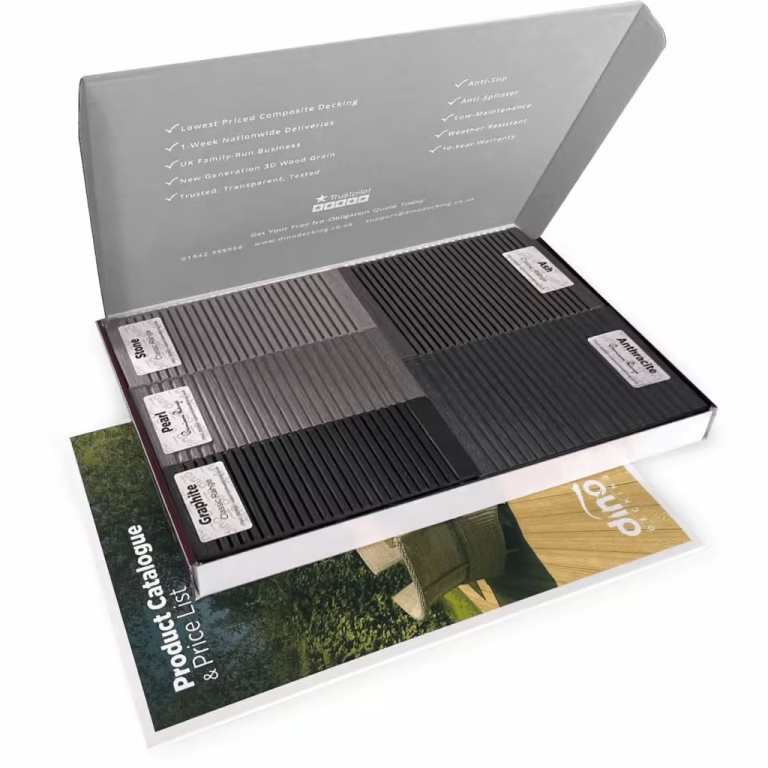
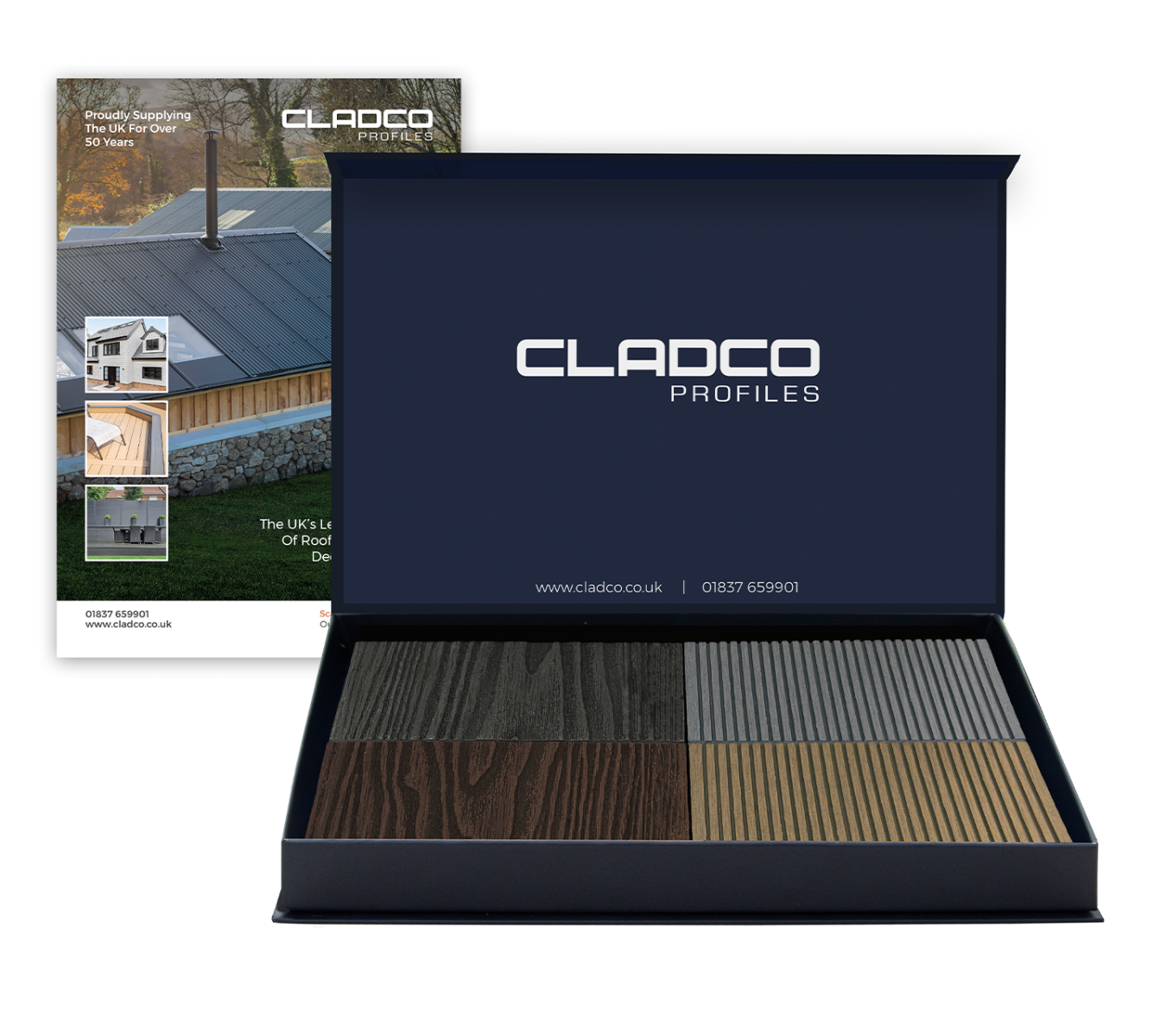
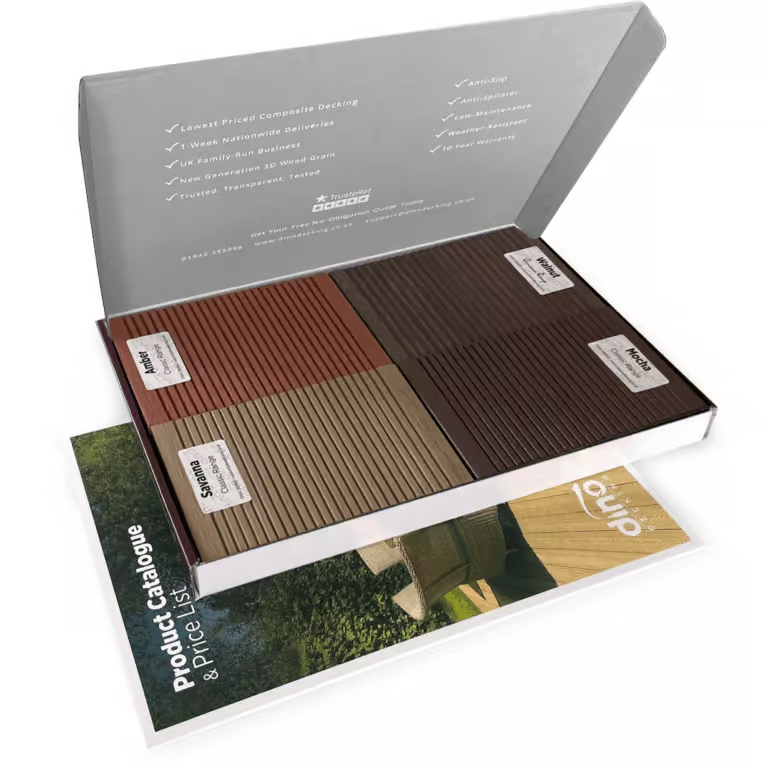
Composite decking is made from recycled wood and plastic, making it highly resistant to moisture, rot, and UV damage, perfect for Brighton’s damp, salty environment.
Prices vary by material and size, but a typical hardwood deck costs between £100–£150 per square metre, while composite decking is around £80–£120 per square metre installed.
Most decking under 30cm high does not require planning permission. Higher decks may require permission, especially if they overlook neighbours or affect listed properties.
A standard 20–30 sqm deck usually takes 2–5 days to install, depending on ground preparation, materials, and weather conditions.
Hardwood decking should be cleaned and oiled annually to prevent weathering. Treated timber may need re-staining every 1–2 years.
Composite decking is low-maintenance: it resists rot, insects, and UV damage, but occasional cleaning with soap and water is recommended to prevent moss and algae growth.
Yes, using adjustable deck supports or sleeper frames allows decking to be levelled even on slopes or uneven terrain.
Raised decks with integrated planters or corner benches make small gardens feel larger and functional while maximising space.
Yes, many hardwoods have natural slip resistance. Composite boards often have textured surfaces or grooves for safety in wet conditions.
High-quality hardwood can last 25–40 years with proper maintenance, while treated softwoods last 10–15 years.
Yes, with careful planning and spacing to allow tree growth, or using floating deck designs that don’t damage roots.
Yes, sustainably sourced hardwoods and composite boards made from recycled materials are eco-friendly choices.
Yes, using adjustable deck supports or sleeper battens, you can overlay existing concrete or paving to create a new deck surface.
Standard decking boards are 140–145mm wide. Narrower boards work well for compact gardens, while wider boards suit larger patios for a seamless look.
Regular cleaning, ensuring proper drainage, and treating timber with anti-fungal oils or sealants helps prevent mould and algae buildup.
Yes, timber decking can be painted or stained for colour and protection, though composite boards are usually left in their natural finish.
No, composite decking is pre-sealed during manufacturing, so it does not require additional sealing like timber.
Yes, a well-built, attractive deck increases outdoor living space and can positively influence property value and appeal to buyers.
SEE OUR BLOG


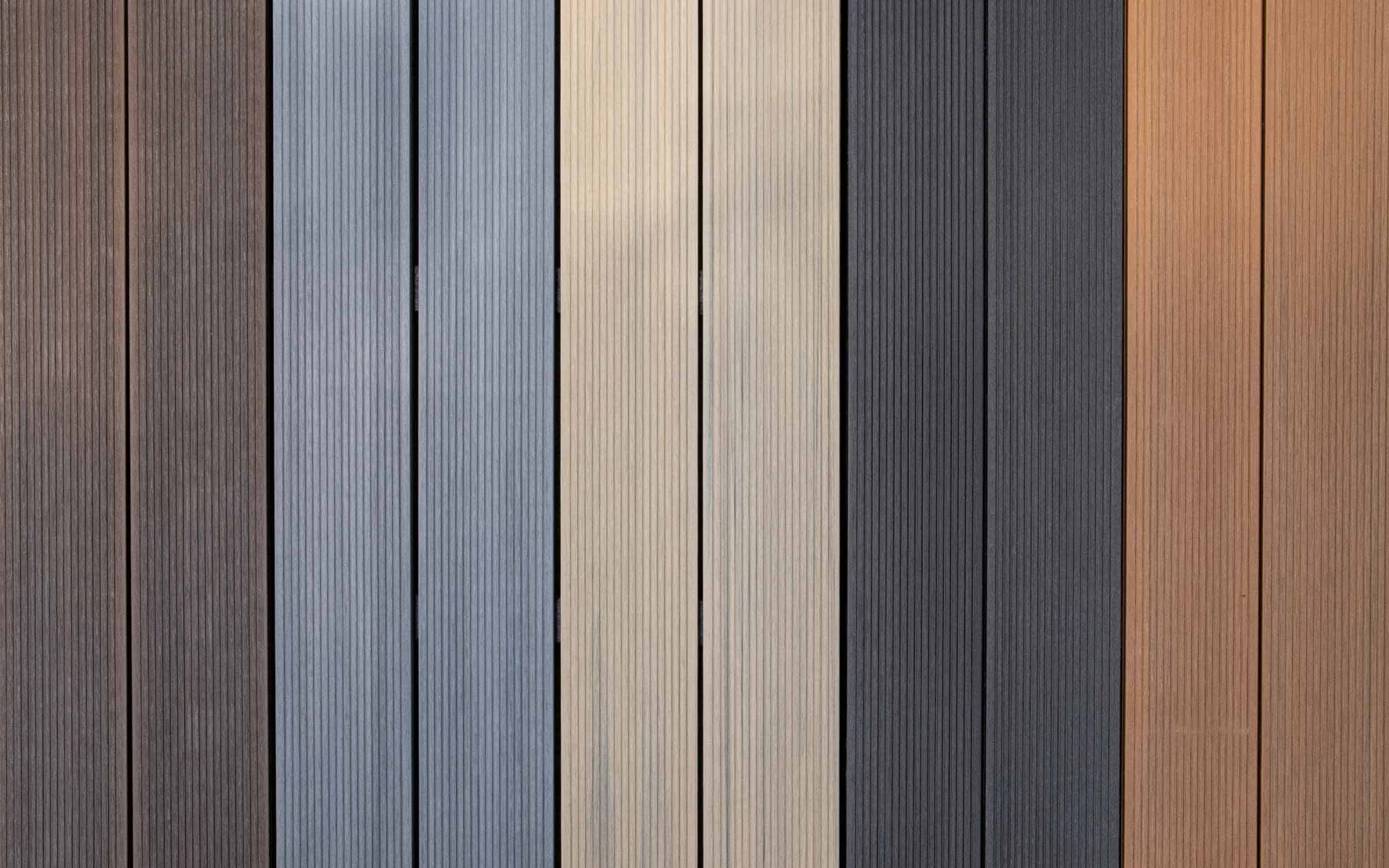
Composite Decking FAQ
Raised Decking FAQs – Brighton
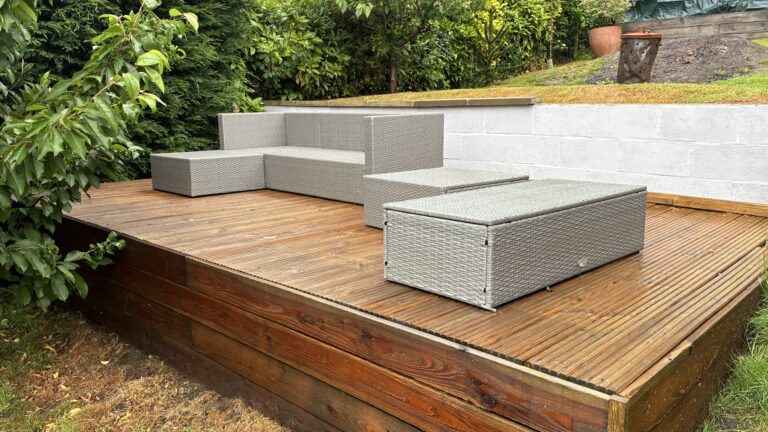
The best raised decking depends on your garden, budget, and maintenance preference. Timber offers a natural look but requires treatment, while composite boards are low-maintenance, durable, and weather-resistant—ideal for Brighton’s coastal climate.
Costs vary depending on size, materials, and features. Small timber decks start from a few thousand pounds, while larger multi-level or composite decks are higher. Sussex Decking provides free, tailored quotes for Brighton properties.
Yes. Raised decking is perfect for sloped gardens, creating a flat, usable surface with a secure framework. This maximises outdoor space while maintaining safety and style.
Timber decking is natural and traditional but requires regular maintenance. Composite decking combines wood and recycled materials, offering durability, low maintenance, and resistance to rot and fading—perfect for Brighton gardens.
Properly installed timber decks last 15–20 years, while composite boards can last 25 years or more. Sussex Decking uses high-quality materials and protective finishes to withstand Brighton’s coastal conditions.
Decking under 30cm usually does not require planning permission. Taller decks or those near property boundaries may need approval. Sussex Decking can advise on Brighton planning regulations.
Yes. Raised decks can be designed around trees, shrubs, and plants, preserving your garden’s features while creating a functional deck.
Raised decks can be built to any safe height with proper support, handrails, and steps. Sussex Decking ensures all Brighton decks meet safety standards.
Yes. A well-designed raised deck enhances outdoor space, aesthetics, and functionality, making your property more attractive to buyers.
Composite boards require minimal cleaning, while timber should be washed, treated, or stained periodically. Sussex Decking can advise on maintenance schedules for Brighton decks.
Yes. Integrated LED lighting, built-in benches, planters, and storage can enhance functionality and ambiance. Sussex Decking can incorporate these features into your Brighton deck.
Small decks may take 2–5 days, while larger or multi-level decks can take 1–3 weeks, depending on size and features. Sussex Decking provides a clear timeline for every Brighton project.
Yes. With proper handrails, steps, and secure frameworks, raised decks are safe for children and pets. Sussex Decking prioritises safety in all Brighton projects.
Absolutely. Multi-level decking is ideal for sloped gardens, terraces, or creating separate zones for dining and lounging. Sussex Decking specialises in custom multi-tiered decks for Brighton properties.
Yes. Professional installation ensures safety, durability, and high-quality finish. Sussex Decking brings years of expertise and local knowledge to every Brighton project.
Composite decking is low-maintenance, resistant to rot, fading, and coastal weather, and looks natural year-round. It’s ideal for Brighton’s seaside climate and busy homeowners.
Yes. With proper support and engineering, raised decking can transform balconies and terraces into usable, stylish outdoor spaces. Sussex Decking can assess structural requirements for your Brighton property.
Smart layouts, multi-level designs, built-in storage, and seating can maximise space in small gardens. Sussex Decking works with you to create functional and visually appealing Brighton decks.
Current trends include composite decking, multi-level platforms, integrated lighting, planters, and modern railing designs. Sussex Decking incorporates these elements for stylish, contemporary Brighton decks.
Yes. Raised decking can be fully customised with built-in storage, seating, planters, BBQ stations, and lighting, creating a functional and enjoyable outdoor space tailored to your Brighton home.