What Size Gap Between Decking Boards is Recommended in the UK?
When building a decking project, one of the most common questions homeowners ask is: “What size gap should I leave between decking boards?” The gap between decking boards isn’t just an aesthetic choice — it’s crucial for drainage, wood movement, and long-term durability.
At Sussex Decking, we install decking across Sussex and always advise our customers on the correct board spacing for UK conditions. In this guide, we’ll explain everything you need to know about gaps between decking boards.
Why the Gap Between Decking Boards Matters
The spacing between decking boards serves several important purposes:
1. Drainage
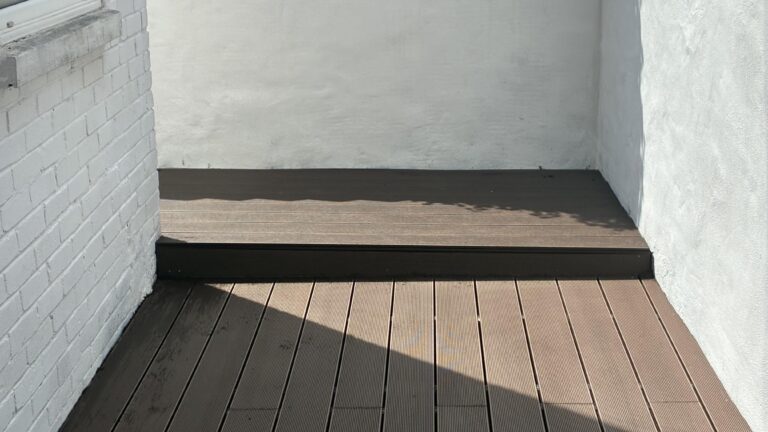
Decking boards expand and contract naturally with moisture and temperature changes. Gaps allow rainwater to drain between boards, reducing the risk of puddles, algae growth, or wood rot.
2. Ventilation
A small gap improves airflow underneath the decking, helping the structure dry out faster and extending the life of the deck.
3. Wood Movement
Timber and composite decking expand in wet conditions and contract when dry. Without an adequate gap, boards may buckle, warp, or lift over time.
4. Safety
Proper spacing reduces the risk of water pooling and slippery surfaces, making your deck safer to walk on in the UK’s often rainy climate.
Recommended Gaps for Decking Boards in the UK
The ideal gap size depends on the decking material:
| Material | Recommended Gap (mm) | Notes |
|---|---|---|
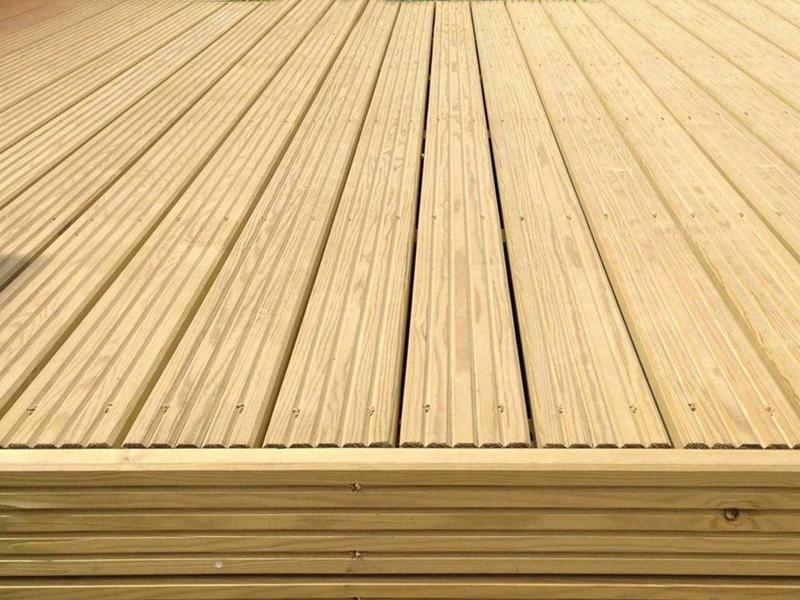
| Softwood decking | 5–7 mm | Softwoods expand more in wet weather, so allow a slightly larger gap. |
| Hardwood decking | 3–5 mm | Hardwoods are more stable but still require a small gap for drainage. |
| Composite decking | 5–7 mm | Composite boards expand in heat, so check manufacturer guidelines. |
Tip: Always check the specific decking manufacturer’s instructions. Some composite boards have pre-set spacing requirements, and using incorrect gaps can void warranties.
Factors That Affect Decking Board Gaps
1. Climate
UK weather is wet and variable. During the rainy season, boards can absorb moisture and expand. Leaving an appropriate gap ensures that the decking remains stable throughout the year.
2. Board Width
Wider decking boards require slightly larger gaps to accommodate greater expansion. Narrow boards can use smaller gaps.
3. Material Type
As mentioned, timber species behave differently:
- Softwood (like treated pine) absorbs water more easily and swells.
- Hardwood (like Iroko or Oak) is denser and more stable.
- Composite boards expand mostly with heat, so spacing must allow for this movement.
4. Installation Method
Decking fixed with hidden fasteners may require slightly different gaps than those using screws or face-fixed boards. Hidden clips usually have built-in spacing.
How to Space Decking Boards Correctly
Here’s a step-by-step guide for correct spacing:
- Measure Your Boards and Joists
Ensure joists are evenly spaced to match the decking boards and support the full width. - Use Spacers or Decking Wedges
Plastic or wooden spacers maintain a consistent gap during installation. They help ensure a professional finish. - Check Manufacturer Guidelines
Composite decking may require slightly larger gaps at the ends or sides, depending on thermal expansion. - Consider Seasonal Changes
Install boards slightly tighter in dry conditions and wider if it’s rainy, as wood shrinks when dry and expands when wet. - Inspect Regularly
Once installed, check gaps occasionally, especially after winter or a wet season, to ensure no boards have warped or shifted.
Common Mistakes to Avoid
- No Gap at All: Some homeowners try to fit boards flush together. This can cause warping and pooling.
- Too Wide a Gap: Gaps that are too large look odd and can trap debris or cause trip hazards.
- Ignoring Manufacturer Advice: Always follow the guidance for composite or engineered boards.
Extra Tips for UK Decking Installations
- Use treated or rot-resistant wood to withstand UK weather.
- Always slope the decking slightly away from the house to prevent water pooling.
- Keep gaps consistent across the entire deck for a neat finish.
- Consider hidden fasteners for a modern, clean appearance.
Why Sussex Decking Can Help
At Sussex Decking, we bring decking samples to your property during our free site surveys. This allows you to see board widths, textures, and gap spacing firsthand, so your deck is built exactly how you want it.
Whether you’re using timber or composite decking, we can advise on the ideal gap for UK conditions and ensure your deck is durable, safe, and visually perfect.
Conclusion
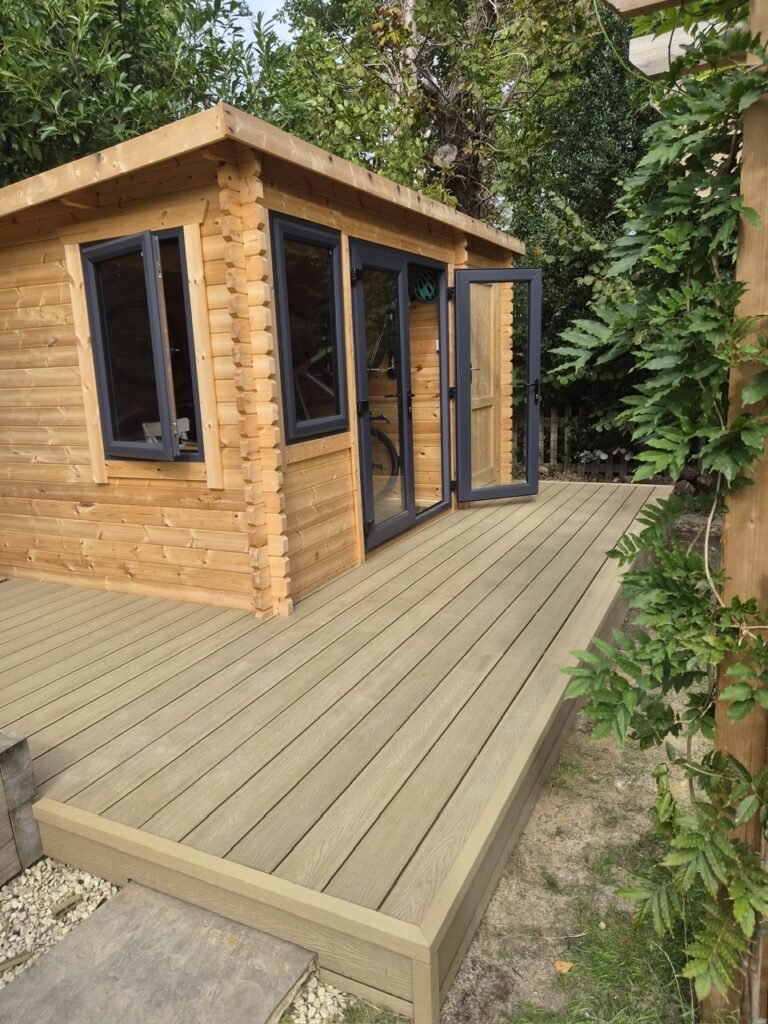
Choosing the correct gap between decking boards is critical for a long-lasting, safe, and beautiful deck. In the UK, a gap of 3–7 mm is typically recommended, depending on your board material and width.
Proper installation ensures:
- Safe drainage
- Wood stability and longevity
- A professional finish you can enjoy for years
If you’re in Sussex and searching for “decking near me” or expert advice on sloping or flat gardens, Sussex Decking (Home Actually Limited) offers free surveys, decking samples on-site, and professional installation to get your deck right the first time.
📞 Contact us today to schedule your free survey and see decking samples in your garden.