
Best Decking for British Weather
Sussex Decking - Part of Home Actually Ltd
Discover the best type of decking for British weather. Compare composite and timber decking, learn about durability, maintenance, and find the ideal decking solution with Sussex Decking.
The Best Type of Decking for British Weather: A Complete Guide
The British weather is famously unpredictable. One day brings sunshine and warmth, while the next delivers rain, frost, or strong winds. For homeowners investing in an outdoor living space, choosing the right decking material is essential to ensure long-lasting performance and minimal maintenance.
At Sussex Decking, one of the most common questions we hear is: “What is the best type of decking for British weather?” The answer depends on your budget, maintenance preferences, and desired appearance. However, some decking materials are significantly better suited to the UK’s climate than others.
In this guide, we’ll explore the most popular decking options and explain which performs best in Britain’s challenging weather conditions.
Why British Weather Can Be Tough on Decking
Outdoor decking in the UK faces several environmental challenges throughout the year:
Frequent rainfall and damp conditions
Frost and freezing temperatures during winter
UV exposure during summer months
Moss, algae, and mould growth
Seasonal expansion and contraction
These conditions can cause some decking materials to warp, crack, rot, or become slippery if they’re not designed to withstand the elements.
Composite Decking: The Best All-Round Choice
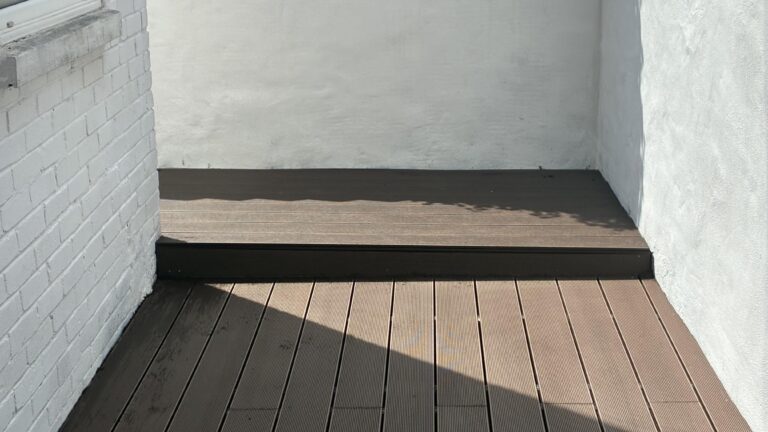
For most homeowners, composite decking is the best option for British weather.
Composite decking is manufactured from a blend of recycled wood fibres and plastic polymers, creating a highly durable material that combines the appearance of timber with exceptional weather resistance.
Benefits of Composite Decking
Resistant to Moisture and Rot
Unlike traditional timber, composite decking does not absorb large amounts of water. This means it is far less likely to rot, split, or suffer from fungal decay during wet weather.
Low Maintenance
British homeowners often spend significant time cleaning, staining, and sealing wooden decking. Composite decking requires very little maintenance beyond occasional washing.
Fade and UV Resistant
Quality composite decking is designed to withstand sunlight without significant fading, helping your outdoor space maintain its appearance year after year.
Slip-Resistant Surface
Many modern composite decking boards feature textured surfaces that improve grip, making them safer during wet weather.
Long Lifespan
A professionally installed composite deck can last 25 years or more with minimal upkeep, making it a cost-effective long-term investment.
Timber Decking: Traditional but Higher Maintenance
Natural timber decking remains a popular choice due to its authentic appearance and lower upfront cost.
Common timber options include:
Softwood decking
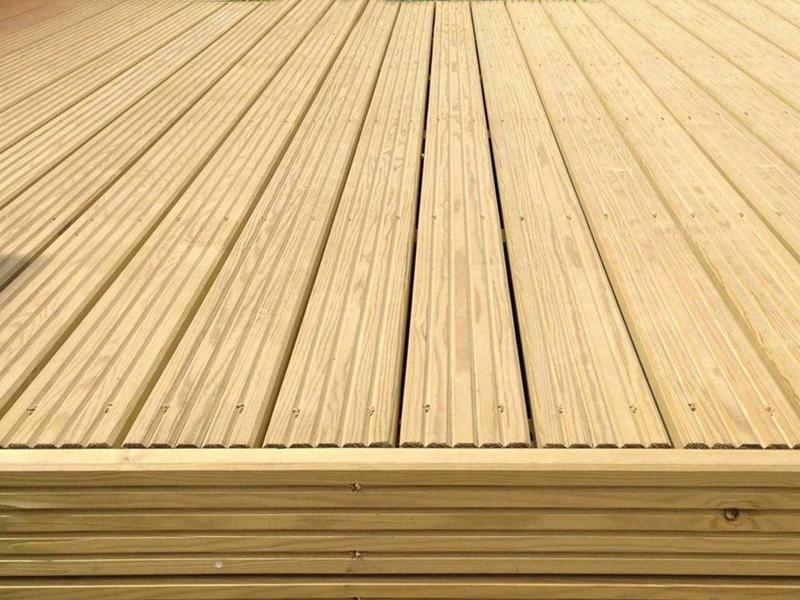
Pressure-treated pine
Cedar
Hardwood decking
While timber can look beautiful, it requires regular maintenance to perform well in British weather.
Challenges of Timber Decking
Susceptible to Rot
Even treated timber can eventually absorb moisture, increasing the risk of rot and decay over time.
Regular Treatment Required
To maintain protection against rain, UV damage, and algae growth, timber decking should be cleaned and treated regularly.
Potential for Warping and Splitting
The UK’s cycle of wet weather followed by dry periods can cause timber boards to expand and contract, leading to warping or cracking.
Hardwood Decking: Durable but Expensive
Hardwood decking offers greater durability than softwood and can cope well with the British climate when properly maintained.
Popular hardwood species include:
Oak
Ipe
Balau
Cumaru
Hardwoods naturally resist moisture and insects better than softwoods. However, they come with a significantly higher purchase and installation cost.
For homeowners seeking a natural wood appearance with excellent durability, hardwood can be a strong choice, although it still requires periodic maintenance.
Which Decking Is Best for Wet Weather?
If your garden is exposed to frequent rain or remains shaded for much of the year, composite decking is generally the superior option.
Its moisture-resistant construction helps prevent:
Rot
Swelling
Warping
Mould growth
Many premium composite products also include anti-slip technology, making them ideal for family gardens and outdoor entertaining areas.
Which Decking Requires the Least Maintenance?
Composite decking is by far the lowest-maintenance option available.
Unlike timber decking, you won’t need to:
Sand the surface annually
Apply stains or oils
Replace rotten boards regularly
Carry out extensive seasonal treatments
A simple clean with warm water and a soft brush is often all that’s required to keep composite decking looking its best.
Is Composite Decking Worth the Extra Cost?
While composite decking typically costs more initially than softwood timber, many homeowners find that it saves money over time.
Reduced maintenance costs, fewer repairs, and a longer lifespan often make composite decking the more economical solution over the life of the deck.
When considering both installation and ongoing maintenance, composite decking frequently delivers the best overall value.
The Sussex Decking Recommendation
For homeowners looking for the best combination of durability, appearance, safety, and low maintenance, composite decking is our top recommendation for British weather.
Its ability to withstand rain, frost, UV exposure, and daily wear makes it particularly well suited to gardens across Sussex and the wider UK.
Whether you’re creating a relaxing outdoor retreat, a family entertaining space, or a modern garden makeover, choosing the right decking material will ensure your investment looks great for years to come.
Contact Sussex Decking
If you’re considering a new decking installation and would like expert advice on the best decking material for your garden, Sussex Decking is here to help.
Our experienced team can guide you through the available options and recommend the ideal solution based on your property, budget, and lifestyle.
Get in touch today to discuss your project and discover why more homeowners are choosing composite decking for Britain’s ever-changing weather.
What is the best decking material for the UK climate?
Composite decking is generally considered the best decking material for the UK climate because it resists moisture, rot, mould, and fading. Unlike traditional timber, it requires very little maintenance and performs well in wet and cold conditions.
Does composite decking get slippery when wet?
High-quality composite decking is designed with textured, slip-resistant surfaces that provide better grip than many traditional timber decking boards. However, regular cleaning is still important to prevent dirt and algae build-up.
Is timber decking suitable for British weather?
Timber decking can perform well in British weather if it is properly treated and maintained. However, it requires regular cleaning, staining, and sealing to protect it from rain, frost, and moisture damage.
How long does composite decking last in the UK?
Most premium composite decking products can last between 25 and 30 years or more when installed correctly and maintained according to manufacturer guidelines.
What type of decking is best for rainy gardens?
Composite decking is often the best choice for gardens that experience frequent rainfall. Its low water absorption rate helps prevent warping, rotting, and mould growth.
Does decking need treatment every year?
Timber decking typically benefits from annual treatment to maintain its appearance and weather resistance. Composite decking does not require staining, painting, or sealing.
Which decking is easier to maintain: timber or composite?
Composite decking is significantly easier to maintain than timber decking. It only requires occasional cleaning, whereas timber often needs sanding, staining, and protective treatments.
Can frost damage decking?
Frost can cause moisture trapped inside timber decking to expand and contract, potentially leading to cracks and warping over time. Composite decking is generally more resistant to frost-related damage.
Is composite decking worth the extra cost?
Although composite decking has a higher initial cost, many homeowners find it worthwhile due to its long lifespan, low maintenance requirements, and excellent weather resistance.
What colour decking is best for UK gardens?
Popular decking colours for UK gardens include grey, charcoal, brown, and natural wood-effect finishes. Grey composite decking remains one of the most sought-after options due to its modern appearance and ability to complement a wide range of garden styles.
What is the most durable decking option?
Composite decking and certain hardwood species are among the most durable decking options available. Composite decking offers excellent resistance to weather, moisture, and everyday wear.
How do you stop decking from becoming slippery in winter?
Regular cleaning to remove leaves, dirt, moss, and algae is the best way to reduce slipperiness. Choosing a slip-resistant composite decking product can also improve safety during wet and icy conditions.

Frequently Asked Questions About Decking for British Weather
Is composite decking better than wood decking in the UK?
For most UK homeowners, composite decking is a better choice than traditional wood decking. It offers superior resistance to rain, frost, rot, and mould while requiring far less maintenance. Although timber decking has a natural appearance and lower upfront cost, it typically needs regular staining, sealing, and repairs to withstand the British climate.
What decking lasts the longest in wet weather?
Composite decking is one of the longest-lasting decking materials for wet weather conditions. Unlike timber, it absorbs very little moisture, reducing the risk of warping, rotting, and splitting. Premium composite decking can last 25 to 30 years or more when properly installed.
Does composite decking fade in the sun?
Modern composite decking is designed with UV-resistant technology that helps minimise fading. While some slight weathering may occur during the first few months after installation, high-quality composite boards retain their colour far better than traditional timber decking.
Which decking is best for coastal properties?
Composite decking is often the best option for coastal homes. Coastal environments expose decking to moisture, salt air, and strong winds, all of which can accelerate the deterioration of timber. Composite decking offers excellent durability and resistance to these challenging conditions.
What are the disadvantages of composite decking?
The main disadvantage of composite decking is its higher initial cost compared to softwood timber decking. Some homeowners also prefer the natural grain and texture of real wood. However, the reduced maintenance requirements and longer lifespan often make composite decking a more cost-effective investment over time.
Can composite decking withstand snow and frost?
Yes, composite decking is designed to withstand snow, frost, and freezing temperatures. Because it absorbs less moisture than timber, it is less likely to crack, warp, or suffer damage caused by freeze-thaw cycles during winter.
What is the safest decking for children and pets?
Composite decking is widely regarded as one of the safest decking options for families. Many products feature slip-resistant surfaces and do not splinter like traditional timber. This makes composite decking a popular choice for households with children and pets.
How much does composite decking cost in the UK?
The cost of composite decking varies depending on the quality, brand, and installation requirements. On average, homeowners can expect to pay more upfront than they would for softwood decking. However, lower maintenance costs and a longer lifespan often make composite decking better value in the long run.
Does decking increase property value?
A well-designed decking area can improve the appearance, functionality, and appeal of an outdoor space, which may increase a property's attractiveness to potential buyers. While value increases vary, quality decking is often viewed as a desirable feature in modern UK homes.
What decking is best for low-maintenance gardens?
Composite decking is the best choice for low-maintenance gardens. It does not require painting, staining, sealing, or sanding, and only needs occasional cleaning to keep it looking its best. This makes it ideal for homeowners who want to enjoy their outdoor space without ongoing upkeep.

HAVE YOU GOT A QUESTION?
GET IN TOUCH AND ASK US ANYTHING ABOUT DECKING (OR OTHER GARDEN PROJECTS). FREE NO OBLIGATION SITE SURVEY. CLICK HERE
Sussex Decking Blog


Decking Mock Up Software
We bring composite decking samples to your home and can provide AI and AR decking visualisations for selected manufacturers. Expert advice, accurate quotations, and professional installation across Sussex.
See our Resources Page
Visit our Resources Hub—your go-to place for practical advice, expert guides, and helpful information about decking repair, maintenance, materials, and installation.
Resources Hub